2026–2027 Emotional Wellness Recovery: A Holistic Approach to Mental Health
In the ever-evolving landscape of mental health, the concept of 2026–2027 Emotional Wellness Recovery has emerged as a powerful framework for individuals seeking to regain balance and control over their emotional well-being. As we move into the next few years, more people are recognizing the importance of proactive mental health care. This recovery process is not just about overcoming challenges—it's about building resilience, fostering self-awareness, and creating sustainable habits that support long-term wellness.
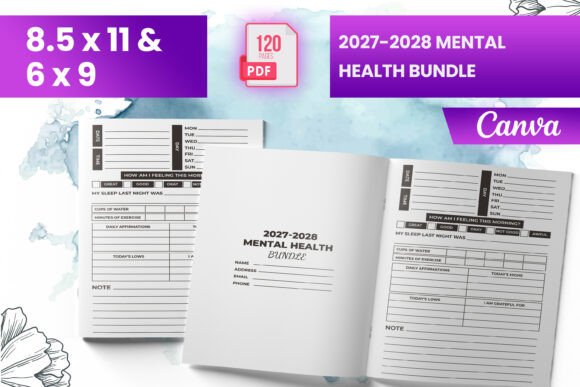
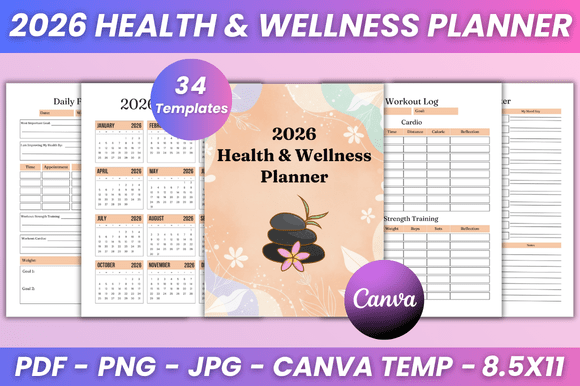
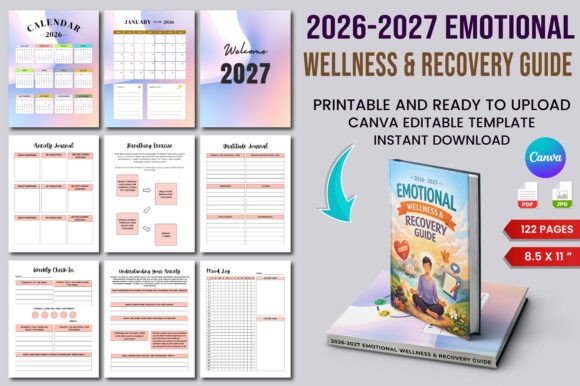
The 2026–2027 Emotional Wellness Recovery Planner is a comprehensive tool designed to guide users through this journey. It offers structured planning combined with guided self-reflection, helping individuals track emotions, reduce anxiety, and cultivate a balanced, mindful lifestyle. Whether you're dealing with stress, anxiety, or simply looking to improve your emotional intelligence, this planner provides the tools needed to make meaningful progress.
Understanding the Need for Emotional Wellness Recovery
Modern life is filled with pressures—work deadlines, financial concerns, relationship dynamics, and personal expectations. These factors can take a toll on emotional health, leading to burnout, anxiety, or even depression. Many adults find themselves struggling to manage these challenges without the right resources or strategies in place.
Emotional wellness recovery addresses these issues by focusing on both prevention and intervention. It encourages individuals to identify triggers, understand their emotional patterns, and develop coping mechanisms that work for them. The 2026–2027 Emotional Wellness Recovery Planner supports this approach by offering a variety of features tailored to different aspects of emotional health.
Key Benefits of the 2026–2027 Emotional Wellness Recovery Planner
This planner is more than just a calendar or journal—it's a personalized roadmap to emotional well-being. Here’s how it can benefit you:
- Structured Planning: With yearly, monthly, and weekly planners, you can organize your goals, appointments, and tasks in one centralized location.
- Anxiety Management: Features like the Anxiety Journal, Anxiety Tracker, and Breathing Exercise help you monitor and manage anxiety symptoms effectively.
- Mindfulness and Gratitude: The Gratitude Journal and Positive Affirmations sections encourage daily reflection and appreciation, which are essential for maintaining a positive mindset.
- Habit Formation: The Habit Tracker and Sleep Tracker allow you to build healthy routines that contribute to overall well-being.
- Self-Reflection: Weekly Check-Ins and Self Assessment tools provide opportunities to evaluate your progress and adjust your approach as needed.
These elements work together to create a holistic approach to emotional wellness, ensuring that users have the tools they need to stay on track and make lasting changes.
Practical Applications and Outcomes
The 2026–2027 Emotional Wellness Recovery Planner can be used in various ways depending on individual needs and goals. For example:
- For someone dealing with chronic anxiety: The Anxiety Journal and Breathing Exercise features can be used regularly to track symptoms and practice calming techniques.
- For someone focused on improving sleep: The Sleep Tracker and Daily Planner can help establish consistent sleep schedules and eliminate nighttime stressors.
- For someone working on gratitude and positivity: The Gratitude Journal and Positive Affirmations can be integrated into daily routines to foster a more optimistic outlook.
Over time, these practices can lead to measurable improvements in emotional health. Users may find that they experience fewer anxiety episodes, feel more in control of their lives, and enjoy better relationships and productivity.
How Different Users Can Approach Emotional Wellness Recovery
Everyone's journey toward emotional wellness is unique, and the 2026–2027 Emotional Wellness Recovery Planner can be adapted to fit different lifestyles and needs. Some users may prefer a highly structured approach, using all available tools to create a detailed plan. Others may take a more flexible route, selecting only the features that resonate most with them.
For instance, a busy professional might focus on the Appointment Planning and Task Planning sections to stay organized, while also incorporating short breathing exercises during breaks. Meanwhile, a student may use the Weekly Outline and 30-Day Journal Prompts to stay motivated and reflect on personal growth.
No matter how you choose to use the planner, the goal remains the same: to create a supportive environment that promotes emotional health and resilience.
Useful Considerations for Implementing the Planner
To get the most out of the 2026–2027 Emotional Wellness Recovery Planner, it's important to approach it with consistency and intention. Here are some tips to help you succeed:
- Start Small: Begin with one or two features that align with your current goals. Gradually add more as you become comfortable with the process.
- Set Realistic Goals: Avoid overwhelming yourself by setting achievable objectives. Celebrate small victories along the way.
- Review Regularly: Use the Weekly Check-In and Monthly Calendars to assess your progress and make adjustments as needed.
- Stay Consistent: Make journaling, tracking, and reflection a regular habit. Consistency is key to long-term success.
- Seek Support: If needed, consult with a therapist or counselor to enhance your emotional wellness journey.
By following these guidelines, you can ensure that the planner becomes an integral part of your emotional wellness routine.
Conclusion: Embracing a Balanced Mindset for the Future
The 2026–2027 Emotional Wellness Recovery Planner is more than just a tool—it's a commitment to your well-being. In a world where emotional health is often overlooked, taking proactive steps to manage your mental state is essential. Whether you're looking to reduce anxiety, improve sleep, or build positive habits, this planner offers the structure and guidance needed to achieve your goals.
As we move into the next few years, let the 2026–2027 Emotional Wellness Recovery journey be a source of strength, clarity, and growth. With the right tools and mindset, you can create a more balanced, fulfilling life—one step at a time.