Exploring the Mind-Body Awareness Workbook: A Guide to Emotional Regulation and Somatic Healing
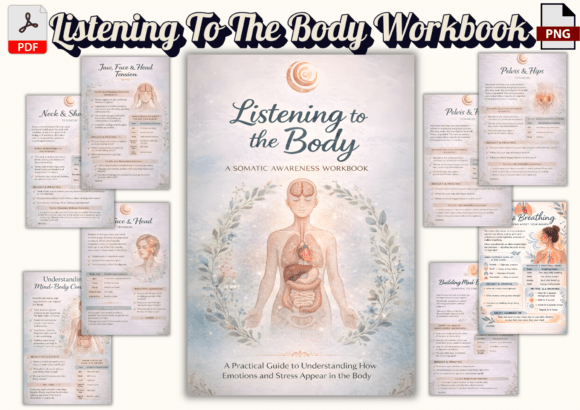
The Mind-Body Awareness Workbook is a digital resource designed to help individuals reconnect with their bodies, understand how emotional stress manifests physically, and develop tools for nervous system regulation. This workbook blends somatic awareness, mindfulness, and emotional intelligence into a structured learning experience that supports self-reflection and healing. With 21 pages of guided exercises, soothing visuals, and practical worksheets, it offers a comprehensive approach to cultivating emotional balance and body awareness.
What Makes the Mind-Body Awareness Workbook Unique?
Unlike general meditation guides or self-help books, the Mind-Body Awareness Workbook focuses specifically on the intersection between physical sensations and emotional states. It provides a step-by-step process for identifying tension patterns in specific body regions—such as the jaw, neck, chest, and pelvis—and linking them to underlying emotional experiences. This approach aligns with somatic therapy principles, which emphasize that emotions are not only felt mentally but also stored and expressed through the body.
One of the key features of this workbook is its integration of nervous system regulation techniques. These include breathing exercises, grounding practices, and movement-based activities that help users manage stress and anxiety more effectively. The inclusion of visual aids and easy-to-follow worksheets makes it accessible for individuals who may be new to somatic healing or mindfulness practices.
How Does the Mind-Body Awareness Workbook Compare to Other Resources?
When comparing the Mind-Body Awareness Workbook to other similar resources, several distinctions emerge. Traditional mindfulness apps often focus primarily on mental clarity and breathwork without delving deeply into the somatic aspects of emotional regulation. In contrast, this workbook emphasizes the physical manifestations of stress and offers targeted exercises to address these issues.
For those interested in somatic healing, this workbook serves as an introductory guide that can complement more advanced practices such as trauma-informed yoga, body psychotherapy, or sensorimotor therapy. However, it may not be as comprehensive as in-person sessions with a trained somatic therapist, which can offer personalized guidance and deeper exploration of emotional patterns.
In terms of format, the Mind-Body Awareness Workbook is available as a downloadable PDF or PNG, making it highly convenient for use on devices like tablets, phones, computers, or as a printable version. This flexibility sets it apart from physical books or in-person workshops that require time and location commitments.
Strengths and Tradeoffs of the Mind-Body Awareness Workbook
The strengths of the Mind-Body Awareness Workbook lie in its accessibility, structure, and holistic approach. It is ideal for individuals who prefer a self-guided method of learning and want to explore somatic healing at their own pace. The workbook’s emphasis on practical exercises and self-reflection can be particularly beneficial for people dealing with chronic stress, anxiety, or emotional dysregulation.
However, there are tradeoffs to consider. Since it is a self-directed tool, users may find it challenging to navigate complex emotional patterns without additional support. Those who have experienced significant trauma or deep-seated emotional issues might benefit more from working with a licensed therapist or practitioner who can provide tailored interventions and feedback.
Additionally, while the workbook is well-designed and visually appealing, it does not replace professional treatment. It is best viewed as a complementary resource rather than a substitute for clinical care.
When Is the Mind-Body Awareness Workbook the Right Choice?
The Mind-Body Awareness Workbook may be the right choice for individuals who are looking for a gentle introduction to somatic healing and emotional regulation. It is particularly suitable for people who:
- Are new to mindfulness or somatic practices
- Want to explore how emotions manifest physically
- Need tools for managing daily stress and anxiety
- Prefer a flexible, self-paced learning format
- Are interested in building long-term habits for emotional balance
On the other hand, readers who are seeking intensive therapy, specialized treatment for trauma, or hands-on guidance from a professional may need to look elsewhere. In these cases, options such as in-person therapy, group sessions, or specialized courses could be more appropriate.
Practical Examples and Use Cases
Consider someone who has been experiencing frequent jaw tension and headaches. They may not immediately connect these symptoms to emotional stress, but the Mind-Body Awareness Workbook can help them recognize the link between emotional triggers and physical responses. Through guided reflection and body awareness exercises, they can begin to release tension and develop healthier coping mechanisms.
Another example involves a person dealing with chronic neck and shoulder pain due to work-related stress. By using the workbook’s exercises focused on upper back and neck tension, they can learn to identify when stress is building up and take proactive steps to regulate their nervous system before symptoms worsen.
These examples illustrate how the workbook can be used as a practical tool for everyday self-care and emotional regulation, especially for those who are just beginning their journey toward greater body awareness.
Final Considerations for Choosing the Right Resource
When evaluating the Mind-Body Awareness Workbook, it is important to consider your personal goals, preferences, and needs. If you are looking for a structured, self-guided resource that combines somatic healing with emotional regulation, this workbook could be a valuable addition to your toolkit. However, if you require more personalized support or are dealing with complex emotional or psychological challenges, exploring alternative options such as therapy or specialized programs may be necessary.
Ultimately, the decision depends on your unique situation and what you hope to achieve. Whether you choose this workbook or another resource, the goal should always be to foster greater self-awareness, emotional balance, and overall well-being.